Lego Serious Play
Unlock creativity and innovation through facilitated LEGO® building
What is LEGO SERIOUS PLAY?
LEGO SERIOUS PLAY is a facilitation methodology developed by the LEGO Group and used globally for over 15 years. It's grounded in research from business, organisational development, psychology, and learning. The method helps teams build 3D models of ideas and explain them through stories, improving creative thinking, communication, collaboration, and insight.
The core concept is "thinking through your fingers" - what's called hand knowledge. Research shows that the hands are connected to 70% to 80% of human brain cells. When your hands are busy building, you access different perspectives than when you're just talking. Our brains can only handle so much information at once, and through using our hands to explore ideas, we can surface more information than we thought possible. This produces those "Eureka" moments where insights emerge that wouldn't have come through discussion alone.
LEGO functions as a universal language understood by people regardless of age, race, gender, or culture. This means you don't leave any insights, opinions, thoughts, or ideas undiscovered. Everyone participates, and everyone's perspective is captured through what they build. No prior Lego experience is required - sessions are inclusive and accessible.
The use of metaphors is central to the method. You might build a model that describes your organisation's identity, or represent a challenge you're facing, or model relationships between team members. Metaphors make it easier to express complex matters in a way that helps your own understanding and also the listener's understanding. A fast-moving company might build a race car. A team under pressure might build a fort under siege. The models reveal what words alone cannot express.
This is experience-based learning that must be felt, not just explained. The emphasis is on tangible thinking, shared understanding, and creating something concrete that the whole group can see and discuss. The models become a shared language that cuts through assumptions and hierarchy.
What a Typical Session Feels Like
A typical session starts with simple building exercises to get comfortable with the method. Then you work on the real challenge. Everyone builds, everyone shares, and the facilitator helps the group notice patterns and connections. It's structured, but it doesn't feel like a traditional workshop.
One of the key strengths of the method is that it results in 100% participation from 100% of the group 100% of the time. Unlike traditional meetings where some people dominate and others stay quiet, everyone builds and everyone shares. Childlike play is not regulated by conscious thought, which means people access insights they might otherwise filter out. This creates psychological flow - LEGO takes people out of their usual comfort zones in a way that feels safe and productive.
Steve gently leads sessions in a fun, engaging, but purposeful way. Workshops focus on creativity, intrapreneurship, team building, and ideation. The emphasis is on creating an environment where people feel comfortable exploring ideas through building, then sharing what they've created through stories. It's experience-based learning that must be felt to be understood.
How We Keep Time
Instead of using a timer, sessions use curated Spotify playlists to keep time. When the music stops, building time is up. It's a more natural way to manage time that keeps the energy flowing.
Steve uses different playlists depending on how long each building exercise needs:
- 2 minutes - Quick warm-up exercises
- 3 minutes - Standard building time
- 4 minutes - Longer exploration exercises
- 5 minutes - Complex model building
Common Outcomes
Common outcomes include clearer shared understanding of problems, better alignment on strategy, improved team dynamics, and practical next steps that everyone owns. Teams often discover they had more agreement than they thought, or that assumptions were blocking progress. The method improves creative thinking, communication, collaboration, and insight.
The method has been used by organisations ranging from large corporations to government departments, from teams in crisis to groups working on strategy. It's particularly effective for organisations facing complex challenges where traditional approaches haven't worked, or where teams need to think outside the box. The models people build can reveal uncomfortable truths - a CEO might be represented as blocking a hallway, or customer relations might be shown as a fort under siege. But because it's done through metaphor and building, these insights can be discussed productively rather than defensively.
The method is particularly effective in startups for uncovering hidden insights. When teams are building something new, the models can reveal assumptions, misalignments, or opportunities that haven't been articulated yet. It's also valuable for organisational change, conflict resolution, post-implementation reviews, and strategy work where you need the whole team's perspective, not just the loudest voices.
Who This Is For
It's well suited for leadership teams working on strategy, teams navigating change, groups stuck on a problem, organisations clarifying purpose or values, cross-functional teams needing better alignment, startups uncovering hidden insights, teams doing post-implementation reviews, and groups working through conflict resolution.
It's not suited for groups that need technical training, situations requiring immediate decisions without reflection, teams in active conflict without mediation support, or people uncomfortable with hands-on activities. No prior Lego experience is required - the method is designed to be inclusive and accessible.
Workshop Formats
Typical formats include introduction sessions (2-3 hours), half-day workshops (3-4 hours), full-day sessions (6-8 hours), and multi-session programmes for complex challenges. Pricing and logistics vary by format and group size. Get in touch to discuss what would work best for your team.
Gallery
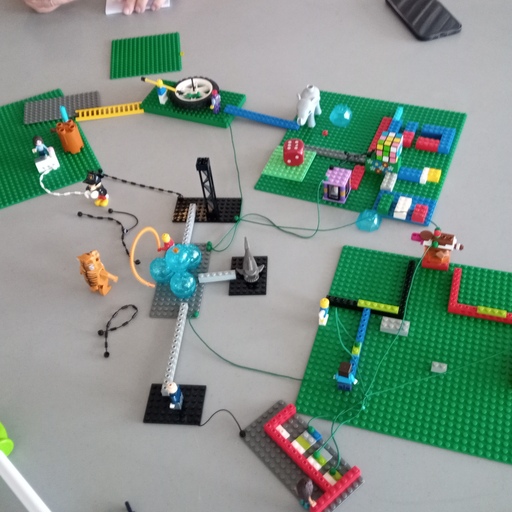
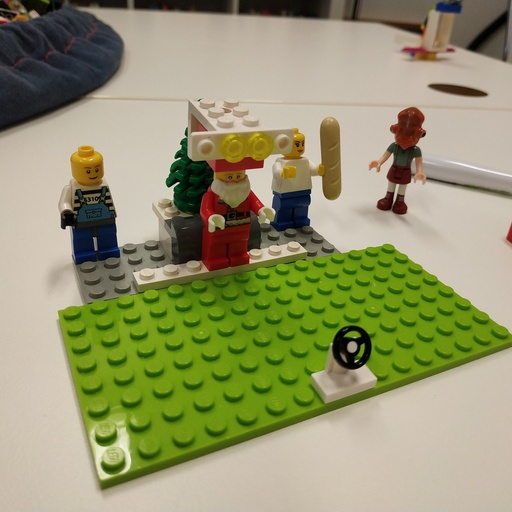
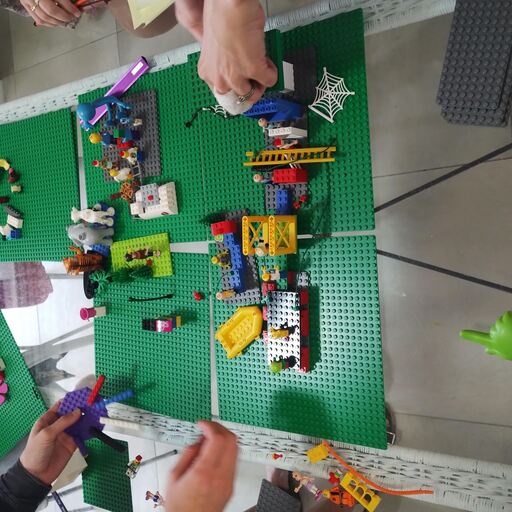
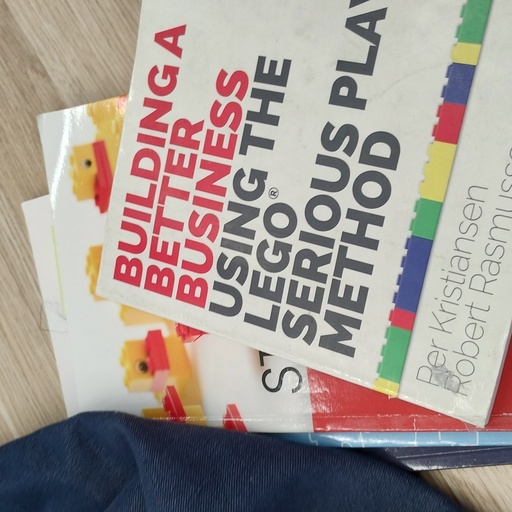
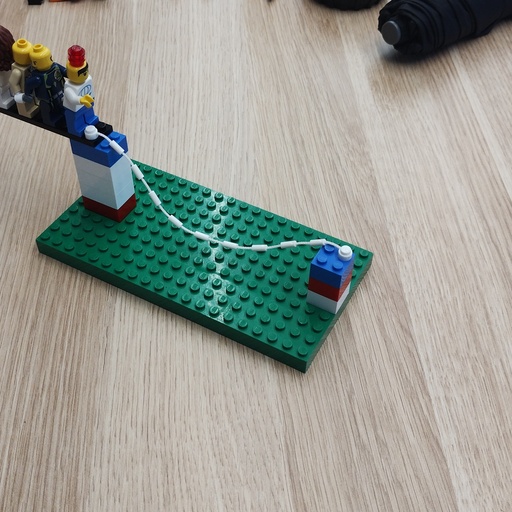
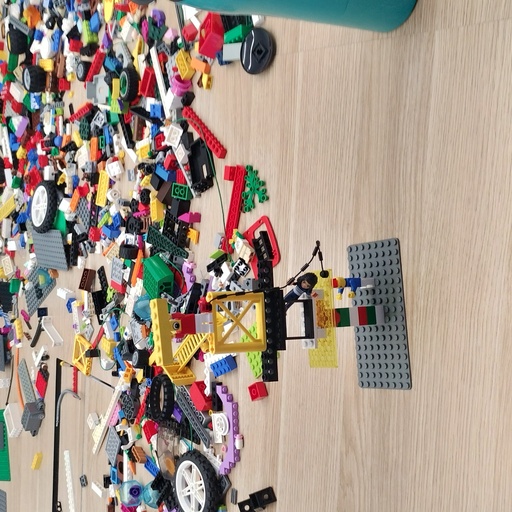
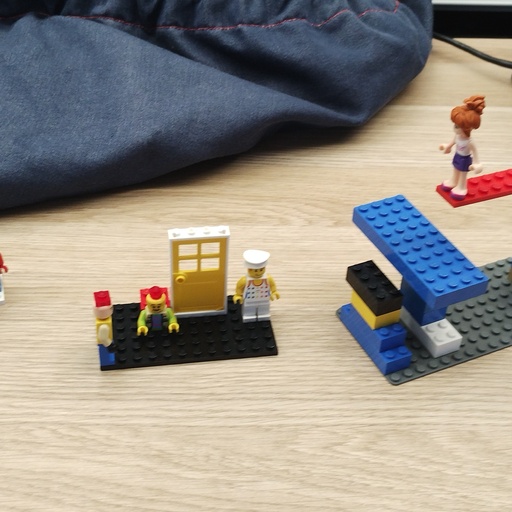
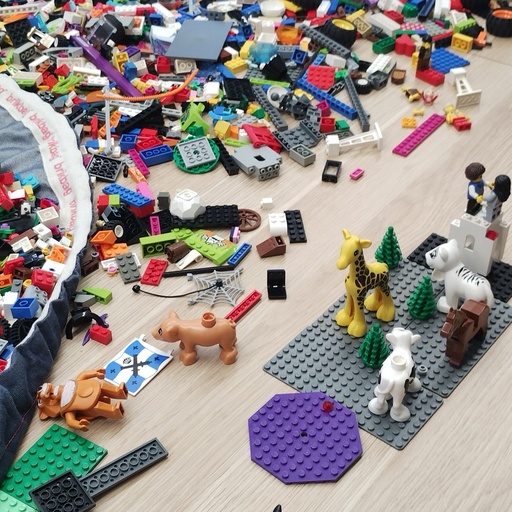
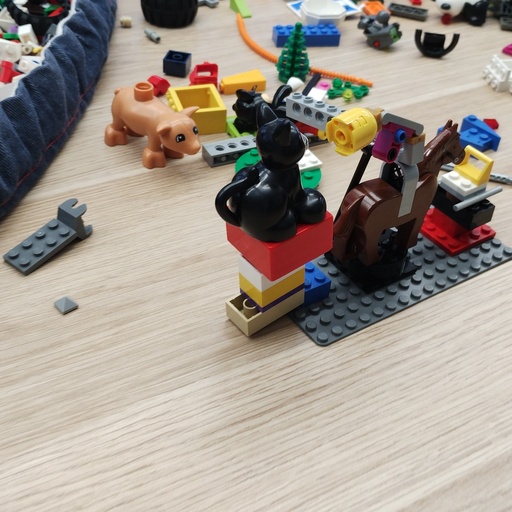
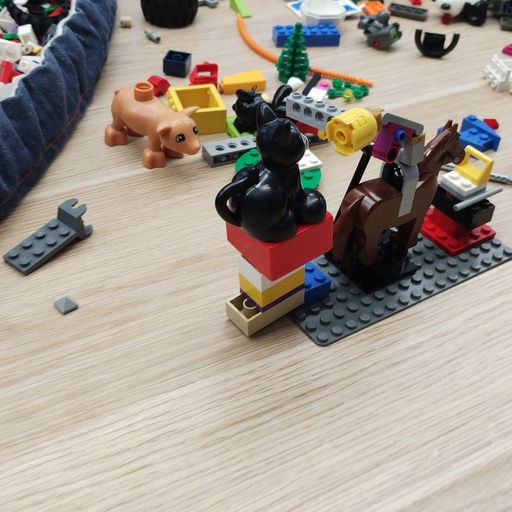
Here are some examples from LEGO SERIOUS PLAY sessions:
Contact Us
Interested in our training courses? Get in touch with us.